
(!) Online orders may be adjusted or canceled in the event of pricing errors or unavailable items.
Inverts Bay
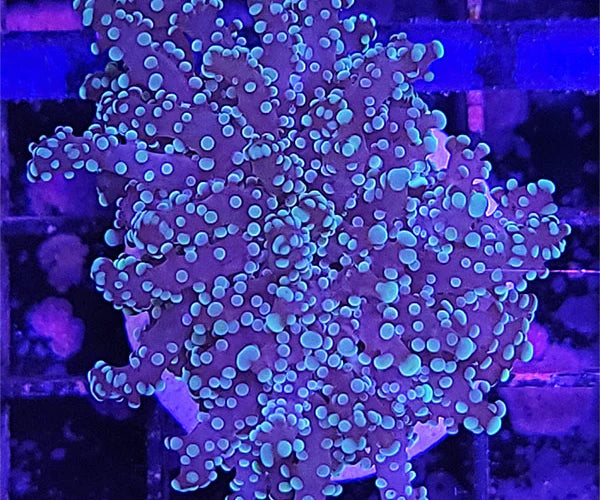
Blue Tip Octospawn
Blue Tip Octospawn
Couldn't load pickup availability
Frogspawn Coral (Euphyllia divisa) is a popular large polyp stony (LPS) coral known for its vibrant, branching structure and long, flowing tentacles. Native to the Indo-Pacific region, it adds a dynamic aesthetic to marine aquariums.
OVERVIEW
-
Difficulty Level: Beginner to Intermediate
-
Lighting: Moderate to High (PAR 150-450)
-
Flow: Moderate
REQUIREMENTS AND CARE
-
Difficulty Level: Suitable for hobbyists with some experience, though beginners can also succeed with proper care.
-
Lighting Requirements: Thrives under moderate to high lighting conditions, typically between 150-450 PAR. Providing appropriate light levels helps maintain its vibrant coloration.
-
Water Flow: Prefers moderate water flow environments, which aid in nutrient absorption and waste removal. Avoid strong currents that may damage the fleshy polyps.
-
Growth Rate and Space Requirements: Moderate growth rate; monitor expansion and provide sufficient space to accommodate their size.
-
Feeding Habits: Primarily photosynthetic; benefits from supplemental feedings of small meaty foods like brine shrimp or mysis shrimp to promote optimal health and growth.
-
Aggressiveness: Generally peaceful but can extend their polyps considerably, potentially overshadowing or contacting nearby corals. Providing adequate spacing helps prevent any unintended interactions.
-
Propagation: Reproduce asexually through budding. Hobbyists can propagate them by carefully cutting a portion of the coral and securing it to a substrate, ensuring proper care to minimize stress and prevent infection during the process.
-
Water Parameters: Maintaining stable water conditions is crucial for the well-being of Frogspawn corals. Ideal parameters include a temperature range of 75-80°F (24-27°C), pH between 8.1-8.4, and salinity around 1.025 specific gravity. Regular monitoring and adjustments ensure a healthy environment for these corals.
Share
